
From the 100th Running to the 110th: IndyCar Quality Lessons That Translate to the Plant Floor
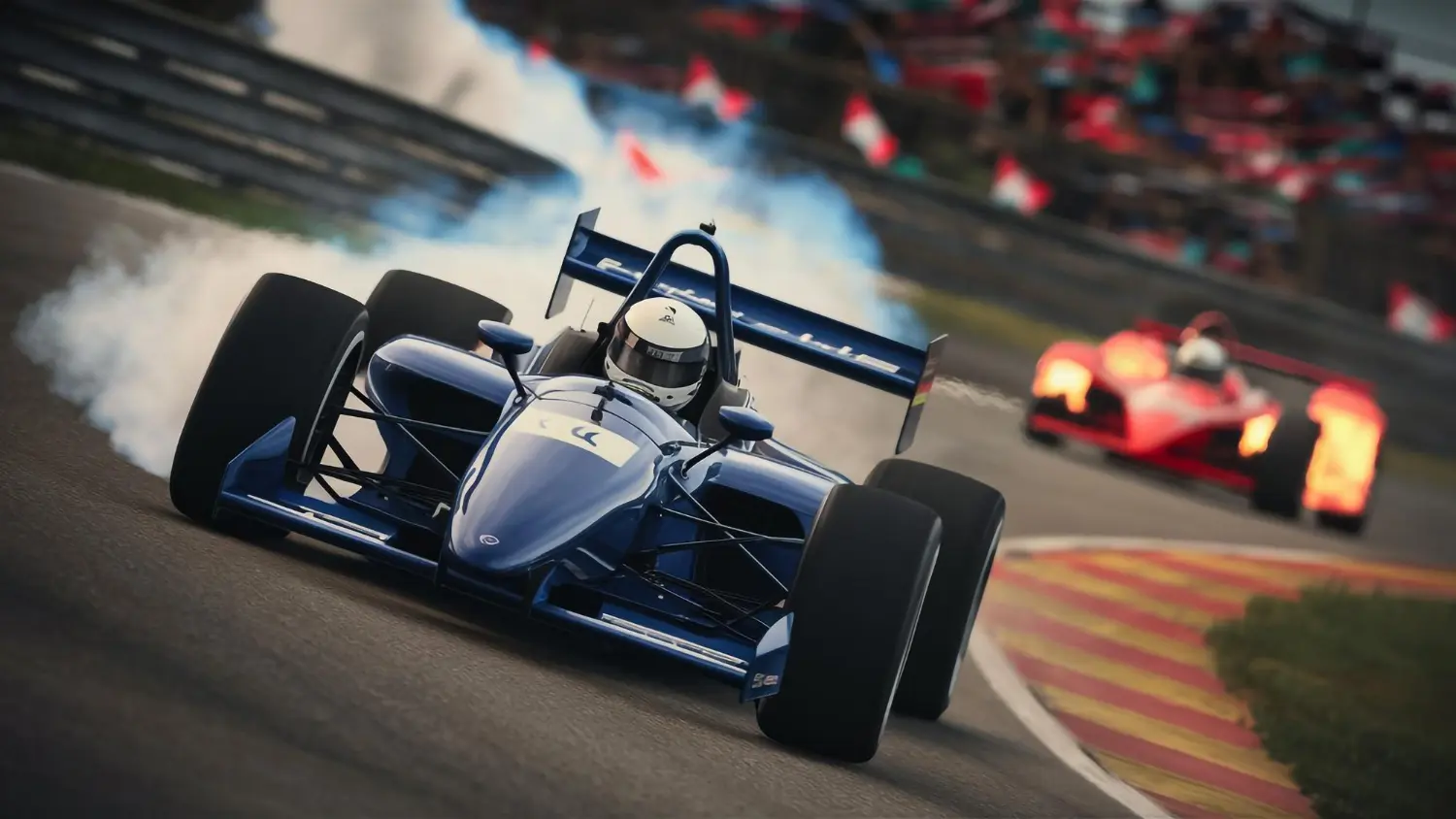
In 2016, Stratosphere Quality had the opportunity to be part of one of the most meaningful moments in Indianapolis 500 history: the 100th Running of the Indianapolis 500. The IndyCar quality lessons from a decade of racing are more than metaphor. They are a direct reflection of what strong quality programs require.
Through its associate sponsorship with Schmidt Peterson Motorsports, the Stratosphere Quality name appeared on James Hinchcliffe’s No. 5 car during a milestone race that celebrated speed, innovation, teamwork, preparation, and performance.
A decade later, as the Indianapolis 500 approaches its 110th Running, the connection between racing and quality is even clearer.
At Indy, performance is never just about horsepower. It is about preparation. Inspection. Engineering. Systems. Safety. Teamwork. Real-time decisions. And the discipline to find and fix small issues before they become race-ending failures.
That same mindset applies to every manufacturer, supplier, and brand trying to compete in today’s market. Quality is not just a department. It is the difference between being ready for the green flag and watching someone else take the lead.
1. Protection Became Part of Performance
One of IndyCar’s most significant modern safety advancements was the introduction of the Aeroscreen, designed to protect drivers from debris and frontal impact while maintaining visibility and performance.
The lesson for quality-driven organizations is simple: safety and performance are not competing priorities. They work together.
In business, this means building protection into the process from the beginning. Whether it is safety protocols, inspection checkpoints, supplier standards, or product testing, quality should never be treated as something that happens at the end. The best systems are designed to prevent failure before it reaches the customer.
2. The First Solution Is Rarely the Final Solution
IndyCar did not stop with the first version of the Aeroscreen. The system continued to evolve, including updates focused on reducing weight, improving driver cooling, and maintaining strength.
That is continuous improvement in action.
For manufacturers and brands, the same principle applies. A quality program should never be static. Customer expectations change. Materials change. Supply chains change. Production environments change. The companies that stay competitive are the ones willing to keep asking better questions:
- Can we make this safer?
- Can we make this more reliable?
- Can we reduce defects?
- Can we improve speed without sacrificing consistency?
- Can we protect the customer experience before something goes wrong?
3. Technology Changed the Recovery Plan
The addition of hybrid technology in IndyCar brought new performance opportunities, but it also created a practical safety and operational benefit: drivers can restart their cars without always requiring safety team intervention after a stall.
That is an important reminder that technology is not just about innovation for innovation’s sake. The right technology solves real problems.
For quality teams, technical improvements should reduce downtime, limit risk, improve response time, and help teams recover faster when something goes wrong. The best solutions are the ones that improve both performance and resilience.
4. Inspections Protect the Integrity of the Race
Across a race weekend, IndyCar teams go through multiple inspections. Cars are checked before practice, before qualifying, after qualifying, before the race, and after the race.
These inspections are not there to slow teams down. They are there to protect the integrity of the competition and the safety of everyone involved.
That is exactly how quality inspections should be viewed in business. They are not obstacles. They are safeguards.
A strong quality process protects the customer, the brand, the supplier relationship, and the business itself. It helps ensure that the product being delivered is the product that was promised.
5. The Smallest Details Can Change Everything
In racing, a loose fastener, a tire issue, a setup problem, or an overlooked component can be the difference between first place and falling out of contention.
The same is true in manufacturing, distribution, and production environments. Small issues rarely stay small.
- A missed defect can become a warranty claim.
- A documentation gap can become a compliance issue.
- A supplier inconsistency can become a production delay.
- A rushed inspection can become a customer problem.
- A quality miss can become a brand reputation issue.
The details matter because the details are often where quality either holds or breaks.
6. Data Makes Decisions Faster
Modern race control relies on data, communication, video, monitoring, and real-time decision-making to manage what is happening on the track.
That same shift is happening in quality.
Today, quality is not just visual inspection or manual review. It is data. It is documentation. It is a trend analysis. It is knowing where issues are happening, how often they are happening, and what needs to change to prevent them from happening again.
The more visibility a company has, the faster it can act. And in a competitive environment, speed of response can be just as important as speed of production.
7. The Right Team Is Built Before the Crisis
The AMR IndyCar Safety Team is one of the best examples of preparation in action. The team travels with the series, understands the cars, knows the drivers, and is trained to respond quickly when something happens.
That consistency matters.
In business, quality challenges are rarely solved by scrambling after the issue appears. They are solved by having the right people, the right training, the right process, and the right response plan already in place.
A reliable quality team gives organizations confidence because they know what to look for, how to respond, and how to keep operations moving.
8. Readiness Is a Quality Strategy
In IndyCar, emergency readiness is part of the system. Safety teams have specialized tools, defined procedures, and clear roles. They are not creating the response plan in the moment. They are executing a plan that has already been built and practiced.
That is an important quality lesson.
Brands cannot wait until a defect, recall, production issue, or supplier disruption occurs to determine how they will respond. Proactive quality planning helps organizations reduce the impact of problems because they already know what to do when the pressure is high.
Readiness is not fear-based. It is performance-based.
9. Quality Is Never One-Size-Fits-All
Firestone develops different tires for different IndyCar track types and conditions. A street course, road course, and superspeedway each create different performance demands.
The same is true for quality.
Every production environment has its own risks. Every customer has different expectations. Every supplier network has different variables. Every product has different performance requirements.
Strong quality support is customized to the environment. It considers the product, the process, the people, and the customer outcome.
What works in one facility, launch, or market may not be enough for another.
10. The Future Is Engineered With Quality Built In
As IndyCar continues to look toward the future, safety, performance, design, and technology remain closely connected. The next generation of cars will not simply be faster. They will be designed with new expectations for safety, efficiency, performance, and driver protection.
That is where quality is heading for every industry.
The best organizations are moving beyond reactive inspection. They are engineering quality into the work from the beginning. They are using data to identify risk earlier. They are training teams to respond faster. They are creating systems that help prevent problems before they become expensive failures.
Quality is no longer just about finding what went wrong. It is about designing what goes right.
What Racing Teaches Us About Quality
Speed without inspection creates risk.
Performance without safety creates exposure.
Innovation without testing creates uncertainty.
A team without process creates inconsistency.
Quality turns all of it into confidence.
The Business Lesson: Quality Is the Difference Between Ready and Risky
In racing, quality is visible.
A part fails.
A setup misses.
A safety check catches something.
A team loses time in the pits.
A driver qualifies or goes home.
The consequences are immediate.
In business, quality issues are not always as dramatic, but they are just as costly. A missed defect, supplier issue, documentation gap, launch problem, or inconsistent process can lead to downtime, recalls, warranty claims, customer dissatisfaction, and reputational damage.
That is why proactive quality support matters.
It helps companies move from reacting to problems after they happen to building systems that prevent issues before they reach the customer.
Why the Stratosphere Quality Connection Still Matters
For Stratosphere Quality, the connection to IndyCar is more than a sponsorship memory. It is a reflection of what quality-driven organizations understand:
- Performance requires preparation.
- Safety requires discipline.
- Speed requires control.
- Success depends on having the right people, processes, and checks in place at the right time.
Whether on the track, in a plant, across a supplier network, or during a critical product launch, quality is what keeps momentum moving forward.
Ten years after the 100th Running, IndyCar continues to show that progress is not accidental. It is engineered. It is inspected. It is tested. It is refined. And it is supported by teams who know that every detail matters.
That is the real lesson for brands and manufacturers: winning is not just about moving fast. It is about building quality systems that allow you to move fast with confidence.
How to Hire Us
Stratosphere Quality makes it easy to get started with support you can count on:
- Call Us – Speak directly with a live representative to talk through your quality needs.
- “Start a Project” Online Form – Provide the full criteria to launch your project immediately.
- Find Your Account Manager – Search here to connect directly with the dedicated representative for your geographic area.
With Account Managers located across North America, you’ll always have a trusted partner nearby, ready to help you protect your production and reputation.