
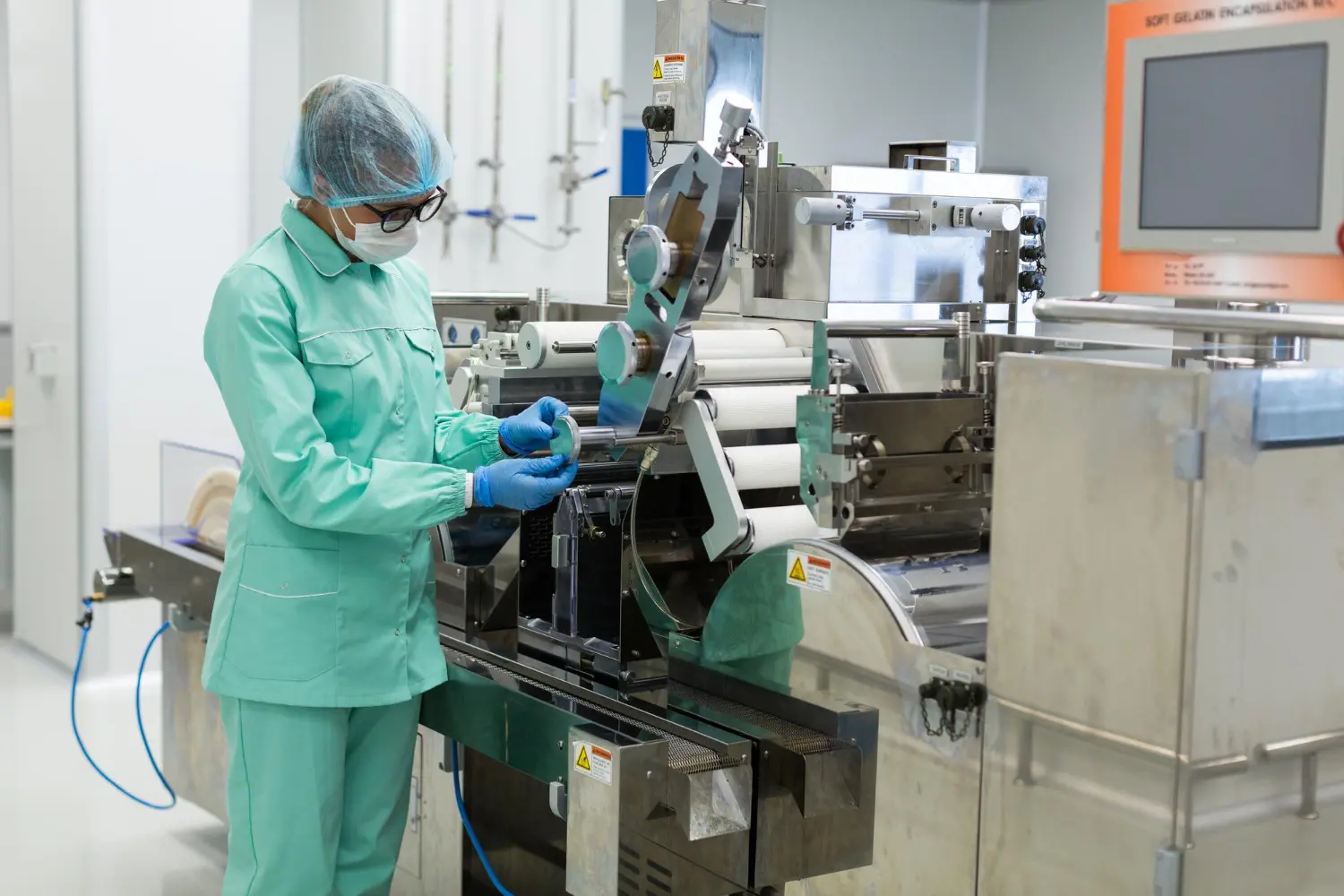
In medical device manufacturing and highly engineered industries, quality inspection for medical devices is not simply a performance metric or a line item on an audit checklist; it is the foundation upon which safety, compliance, operational stability, and brand reputation are built. Every component, every tolerance, every documented step in the process carries weight. A deviation measured in microns can compromise functionality. A missed inspection can introduce regulatory exposure. A supplier inconsistency can ripple through an entire production schedule.
In environments where products impact patient outcomes, transportation safety, infrastructure reliability, or mission-critical systems, there is no acceptable margin for complacency. The expectation is precision. The requirement is traceability. And the standard is unwavering execution.
When lives, regulatory scrutiny, uptime, and long-term market trust are at stake, quality inspection for medical devices is not optional. It is non-negotiable.
Engineering Precision Is Only as Strong as Its Execution
Your engineering teams invest thousands of hours into:
- Design validation
- FMEAs
- Tolerance stack-ups
- Risk mitigation planning
- Regulatory documentation
The model is exact.
The process flow is validated.
The PPAP is complete.
But risk doesn’t disappear after launch; it’s embedded into every stage of the product lifecycle.
In medical and engineered environments, issues can surface at any stage:
- Supplier variation in critical components
- Microscopic defects that impact performance
- Assembly inconsistencies across shifts
- Packaging deviations affecting sterility
- Documentation gaps compromising audit readiness
Even small deviations can cascade into recalls, regulatory exposure, downtime, and reputational damage.
That’s why quality cannot be reactive.
It must be embedded from prototype through end-of-life.
Quality Inspection for Medical Devices: Zero Margin for Error
Medical manufacturing operates under some of the most stringent global standards—ISO 13485, FDA QSR, EU MDR. But compliance alone does not guarantee performance.
True quality means:
- Verification beyond minimum requirements
- Inspection aligned to real-world risk
- Process controls that prevent recurrence
- Immediate containment when anomalies surface
When tolerances are measured in microns and device functionality impacts patient outcomes, inspection becomes a safeguard, not just a checkpoint.
A trusted quality partner understands:
- Cleanroom protocols
- Device history records
- Traceability expectations
- CAPA frameworks
- Audit preparedness
- Urgency
When a deviation threatens shipment, response time matters.
Engineered Products: Complexity Demands Control
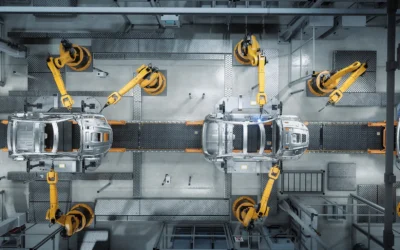
In advanced manufacturing, automotive, aerospace, automation, and heavy equipment, precision is equally critical.
Engineered products often involve:
- Multi-component assemblies
- Tight dimensional tolerances
- Advanced materials
- Automated systems
- Global supply chains
The complexity multiplies risk exposure.
Quality failures rarely stem from a single catastrophic event. They develop from undetected deviations across:
- Incoming inspection
- In-process verification
- Final validation
- Supplier inconsistencies
The difference between disruption and continuity is often determined by one factor:
Was quality integrated from the beginning?
Why Quality Must Be Present from Day One
Organizations that embed quality early in the lifecycle gain measurable advantages:
Launch Confidence
Pre-production inspection and supplier validation reduce ramp-up risk.
Faster Problem Resolution
Established inspection frameworks accelerate containment and corrective action.
Data-Driven Improvement
Real-time quality data informs continuous improvement initiatives.
Regulatory Readiness
Documentation and traceability are structured—not reactive.
Brand Protection
Customers never experience the issues caught upstream.
Quality as a Strategic Advantage
Quality is often perceived as a cost center.
Forward-thinking manufacturers understand it as a strategic differentiator.
When engineering teams trust that inspection, containment, and remediation support are aligned to their standards, innovation accelerates. Risk decreases. Performance stabilizes.
Quality becomes an enabler, not an obstacle.

How to Engage Stratosphere Quality
When quality is non-negotiable, engagement needs to be straightforward, scalable, and responsive.
Here’s how manufacturers typically partner with Stratosphere Quality:
Start with a Risk Conversation
Most engagements begin with a focused discussion around:
- Current production challenges
- Supplier risk exposure
- Launch timelines
- Regulatory requirements
- Workforce constraints
This isn’t a sales call. It’s a risk alignment conversation.
Define the Scope of Support
Based on your needs, support may include:
- Incoming or in-process inspection
- Cleanroom inspection and verification
- Supplier containment
- On-site resident quality representation
- Audit support
- Corrective action and remediation
- Workforce augmentation during launch or surge
Engagement models are built around your operational structure—not the other way around.
Deploy Rapidly and Scale as Needed
Whether you require immediate containment at a supplier site or long-term inspection at your facility, teams deploy quickly and scale to match production demand.
Quality support grows with your lifecycle:
- Prototype
- Pre-production
- Launch
- Full production
- Aftermarket
Maintain Visibility and Accountability
Transparent reporting, real-time communication, and documented corrective actions ensure your engineering and operations leaders maintain full oversight.
The goal is not just inspection. The goal is operational confidence.
Engineering Excellence Deserves Quality Excellence
Innovation alone does not guarantee performance. Execution does. And execution depends on precision.
When quality is non-negotiable, when the margin for error is zero, you need a partner who understands that your standards are operational requirements, not aspirations.
Because in medical and engineered products, quality is more than compliance.
It protects people.
It protects performance.
It protects possibility.